The Weight of Silence
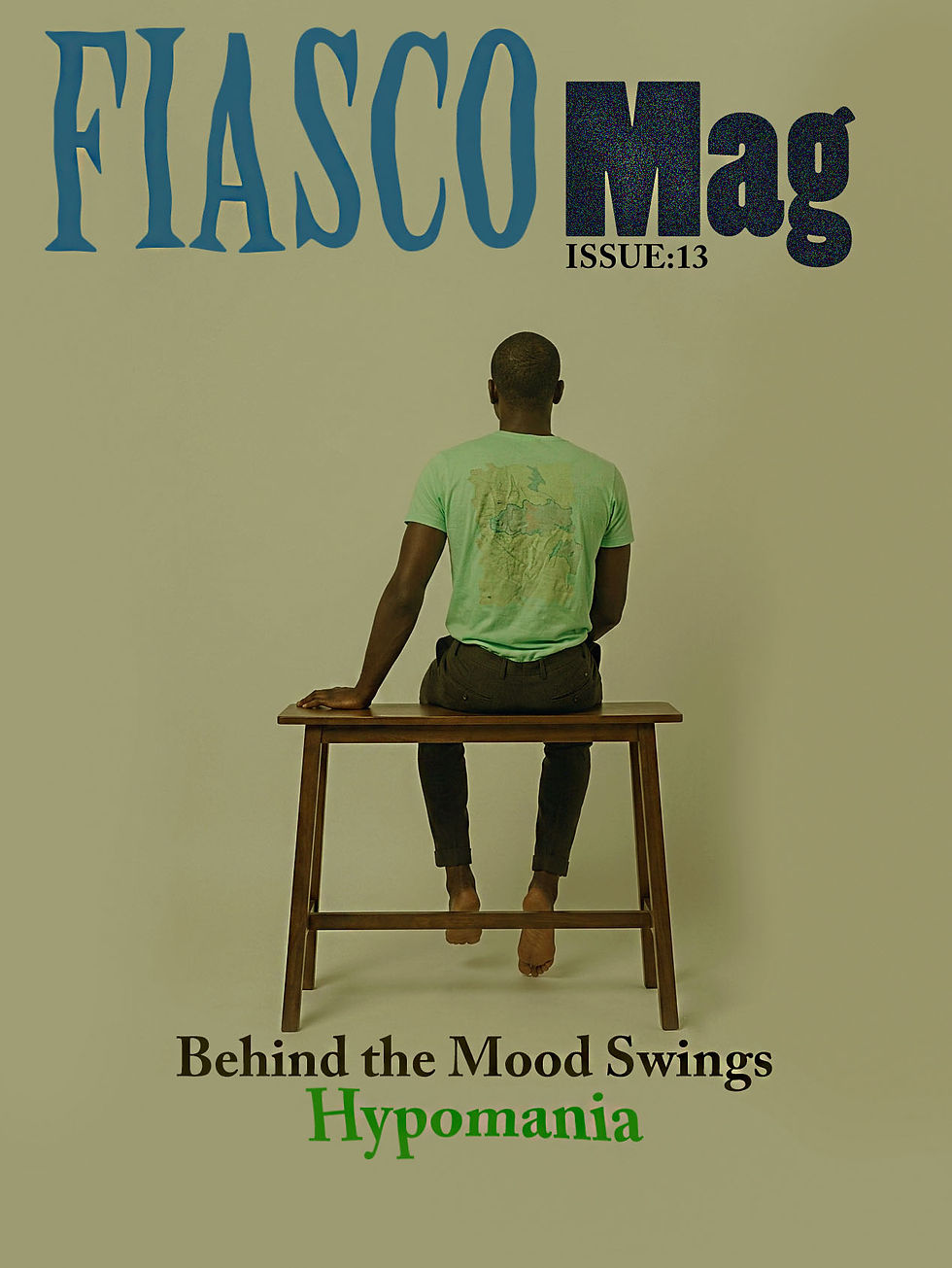
Written by: JOEY BARTLETT
Kanye West, Selena Gomez and Mariah Carey are among the celebrities who have spoken openly about living with bipolar disorder, helping to reduce the stigma surrounding mental illness globally.
In Trinidad and Tobago, however, fear, misunderstanding and stigma still persist. For Brian, not his real name, that stigma once carried something heavier than the diagnosis itself: shame.
At the back of his San Juan home, the father of one sits quietly, pausing between pulls from a marijuana joint as he carefully searches for the right words. He cancelled this interview several times before agreeing to speak. Even now, in his early 30s, he remains uneasy about revealing too much publicly.
“I don’t want to put myself out there for everybody to know,” he says quietly.
Brian was diagnosed with hypomania in his early 20s, shortly before the birth of his son. Although he says he had long experienced emotional “highs and lows", the pressure and anxiety surrounding fatherhood forced him to confront what he describes as “this dark secret".
Pressed about that period of his life, he pauses, exhales smoke slowly and shakes his head.
“We don’t need to go too much in that,” he says.
Medical professionals describe hypomania as a state commonly associated with bipolar spectrum disorders, marked by elevated energy, racing thoughts, impulsive behaviour, increased confidence and a reduced need for sleep.
Unlike full mania, hypomania does not usually involve psychosis or complete detachment from reality, making it harder to recognise both for the person experiencing it and for those around them.
Mental health experts say bipolar disorder and hypomania can be managed through treatment plans that often include medication, psychotherapy and lifestyle adjustments.
“I’ve been thinking how I want to describe it,” Brian says. “It does change your life, make it more difficult sometimes, but it doesn’t make me less human.”

For years, he struggled with whether to tell people about his diagnosis. Brian says his mother initially encouraged him to keep it private out of fear people would treat him differently.
“What I find is when you share your struggle, people are more likely to share theirs too,” he says. “We are all human.”
One of the hardest parts, he says, was accepting that his condition did not resemble the stereotypes often portrayed online or in popular culture.
“When people talk about it, they make it sound like you’re just happy one minute and sad the next,” he says. “That’s not what it’s like.”
Instead, Brian describes hypomania as periods where his thoughts race uncontrollably and his confidence becomes amplified beyond reason.
“I jump from idea to idea to idea in no time period,” he explains. “I’ll suddenly decide I’m going to write a book, build something, start a business or completely change my life all at once.”
During those periods, the feeling can become intoxicating.
“You feel unstoppable. You feel like you could conquer the world. When you in it, it doesn’t feel dangerous. It feels good.”
But the impulsivity that comes with those highs can leave damage behind once reality settles back in.
“You don’t realise anything is wrong until after you’ve done something, something that could have killed you,” he says.
For Brian, those moments ranged from reckless spending to emotional outbursts that strained relationships. At times, the energy became agitation rather than excitement.
“It’s not always happiness. Sometimes it’s frustration, anger, restlessness. It’s having too much energy trapped inside your body and not knowing where to put it.”
While the highs are difficult, the depressive periods, Brian admits, are often worse. At times, the emptiness becomes so overwhelming that he almost misses the hypomania “because at least then you feel something".
He describes those depressive episodes as emotionally paralysing, exhausting and hopeless, often accompanied by feelings of worthlessness.
“When you’re depressed, your brain convinces you that everybody would be better off without you. Even if you know that’s not true, in that moment it feels real.”
Returning to the conversation about his diagnosis after initially avoiding it, Brian says becoming a father forced him to confront the seriousness of his condition.
“What scared me most was thinking about my son growing up without me,” he says quietly. “I never wanted him to have to ask why his father gave up.”
That fear, he says, became a turning point.

“It made me realise accepting help doesn’t mean I'm broken. It just means I have an illness.”
Part of that process involved medication, something he initially resisted. Brian admits he fell into a dangerous cycle familiar to many people managing mental health conditions: starting medication, feeling better, then abruptly stopping because he believed he should be able to manage on his own.
“I thought if I was strong enough mentally, I could control it. But every time I stopped, things got worse.”
Despite medical professionals advising against marijuana use while taking medication for bipolar spectrum disorders because of several risks and concerns, Brian insists it helps calm his anxiety and racing thoughts.
Beyond the medical side of his diagnosis, one of the biggest challenges, he says, has been navigating mental health stigma in Trinidadian culture, particularly among men.
“Being a man diagnosed with this is difficult. We don’t really talk about mental illness. First thing people will say is 'obeah' and 'pray it away’.”
Some relatives, he says, still believe faith alone could solve his struggles.
“Some family say I need to pray more and get closer to God, but God helps those who help themselves, right?”
However, opening up unexpectedly brought support from close friends and family. More importantly, he says, it revealed how many people were silently battling their own mental health struggles.
“A lot of people are suffering quietly.”
Brian’s experience reflects a broader reality faced by millions of people living with bipolar spectrum disorders worldwide. Mental health advocates say stigma, particularly among men, often delays people from seeking help, increasing the risks of depression, substance abuse and suicide when conditions go untreated.
For Brian, changing the language surrounding mental illness is part of reducing that stigma.
“It’s an illness, not an identity, simple as that.”
Asked why he ultimately agreed to do the interview after cancelling several times before, Brian says the decision came down to wanting others to feel less alone.
“It’s for people suffering in silence.”
He pauses before continuing.
“I'm someone out there who thinks everybody would be better off without them. I just want them to know that is not the case; they not alone.”
Speaking publicly, even anonymously, still feels uncomfortable for Brian. But he says silence can be more dangerous.
“Because hiding this nearly destroyed me.”


Comments